
Step 1
Tell us about your setup
Reach out with your riser model, current grip issues, and whether you are starting fresh or refining an existing shape. Photos of your hand on the bow help.
Custom Fabrication
Hand-fit bow grips built to order—each one shaped by the archer, molded in platinum-catalyzed silicone, and cast in rigid polyurethane with softer Flex-it zones crosslink-bonded where your palm and fingers need compliance under draw.
Each grip is a small fabrication project—shaped by you, built in the workshop.
Step 1
Reach out with your riser model, current grip issues, and whether you are starting fresh or refining an existing shape. Photos of your hand on the bow help.
Step 2
We work with you to sculpt a prototype grip—adjusting swell, thumb shelf, palm hook, and finger grooves until the hand position feels natural at full draw.
Step 3
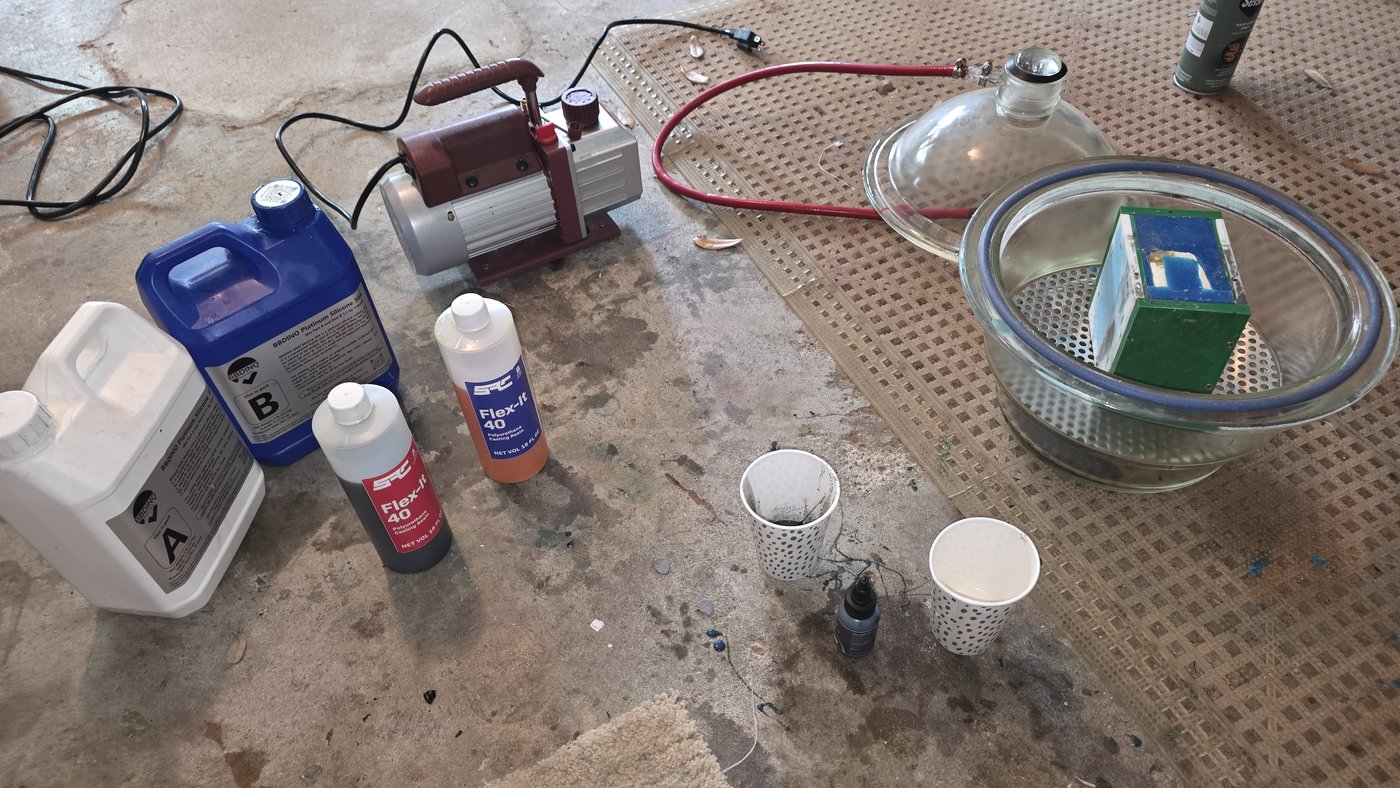
A platinum silicone mold captures the approved shape. Polyurethane and Flex-it zones are cast, finished, and test-fit before your grip ships—or before duplicate pulls if you want spares.
The same platinum silicone, polyurethane, and Flex-it workflow documented in the Development Laboratory.
Step 1
The archer builds or sculpts a prototype grip—adjusting swell, thumb shelf, palm hook, and finger grooves until the hand position feels natural at full draw.
Step 2
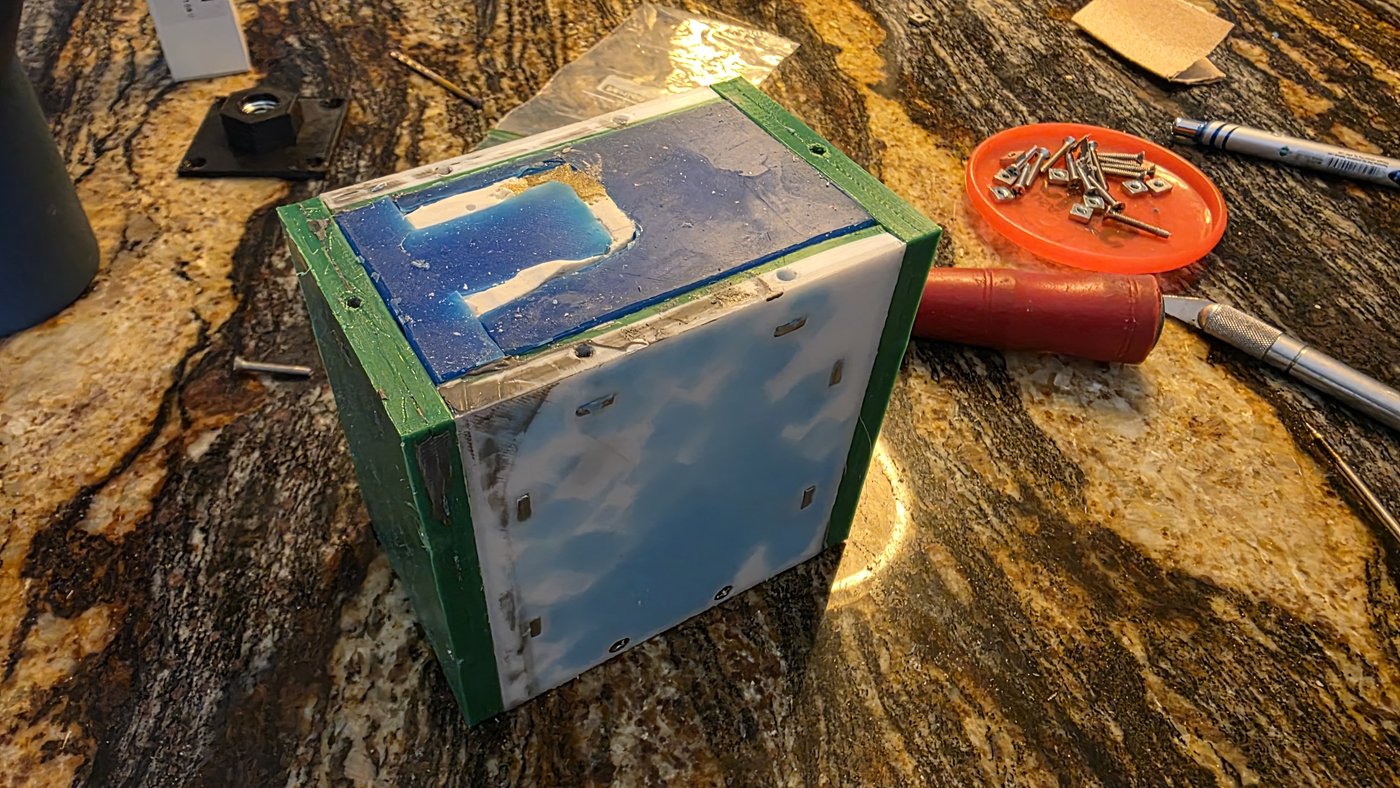
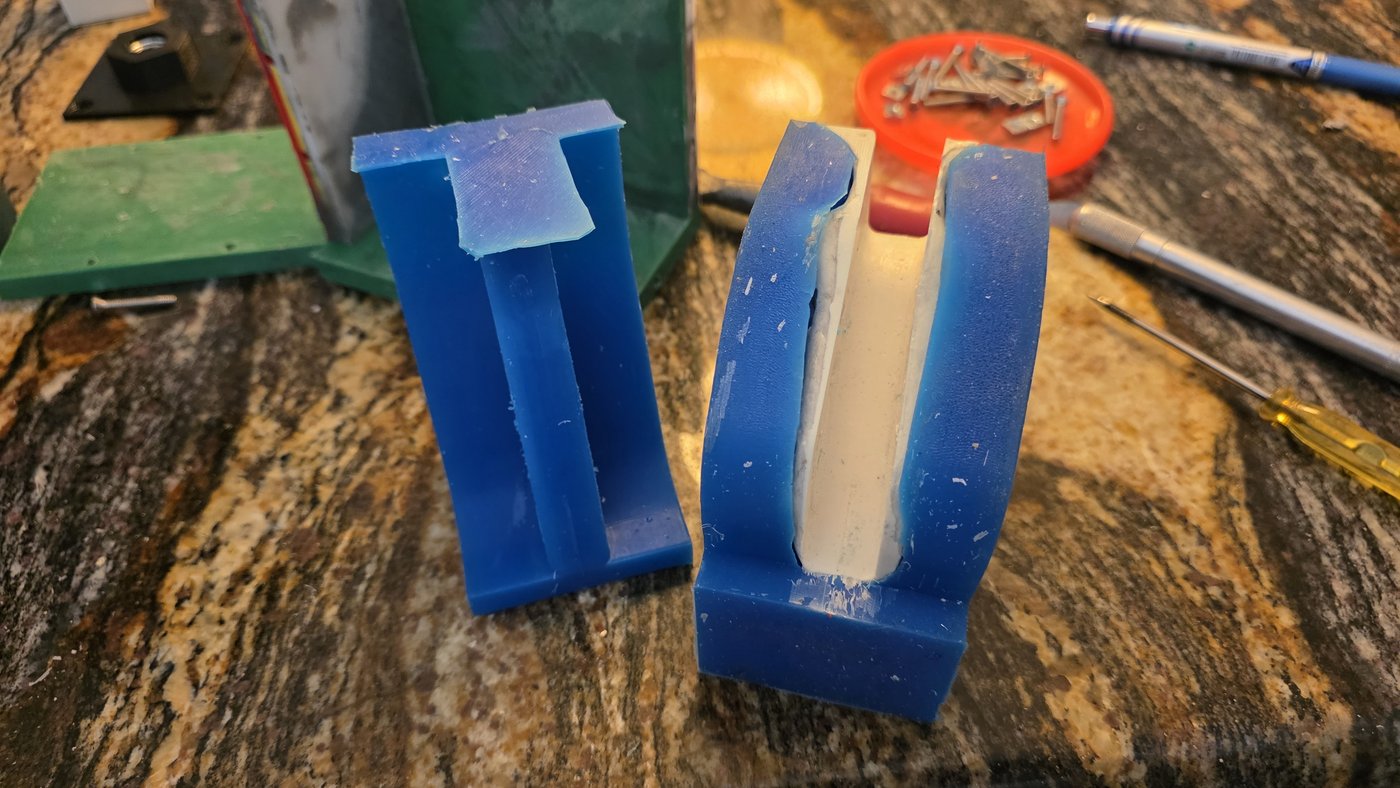
A platinum-catalyzed silicone mold is taken from the finished prototype, preserving surface detail and allowing multiple polyurethane pulls from one pattern.
Step 3
Two-part polyurethane is poured into the mold to form the main grip body—light, tough, and stable for mounting on the riser.
Step 4
Selected regions (typically palm face, thumb contact, and finger hooks) are cast in softer Flex-it–type flexible rubber for vibration damping and tactile feedback.
Step 5
Soft and rigid sections are cast and cured so the elastomer crosslink-bonds to the polyurethane—creating a single integrated grip without separate glue joints.
Step 6
Flash is trimmed, mounting surfaces are drilled or faced as needed, and the grip is test-fit on the bow before final use or duplicate casts.
Full workshop photos and materials list: Development Laboratory — archery equipment
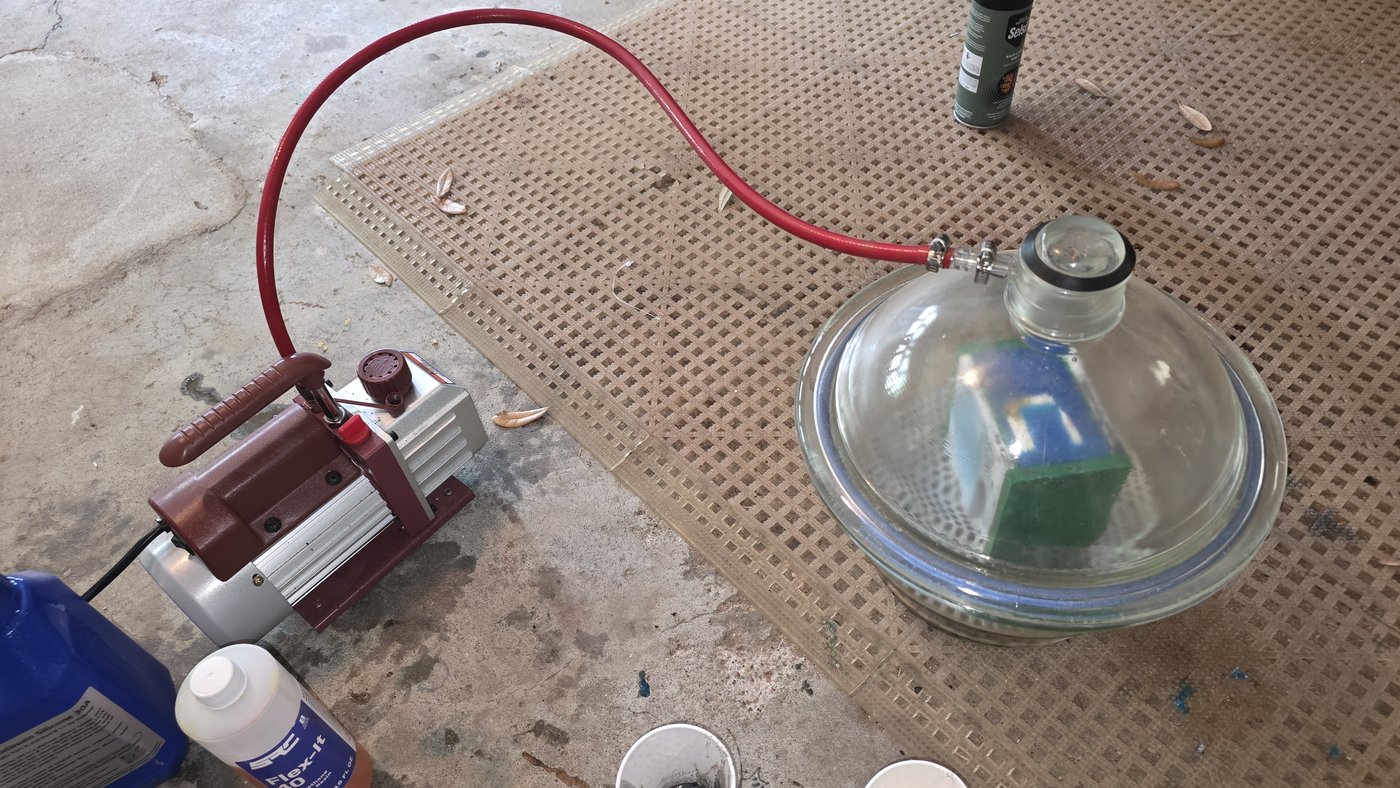
Pt silicone molds, polyurethane casting, and vacuum degassing on the bench.
See how grips are made in the Development Laboratory, or reach out at dave@nez-sports.com.